Notes from the inside of real AI infrastructure.
What we ship for customers, what works, what does not, and the patterns we keep seeing across enterprise teams adopting Claude.
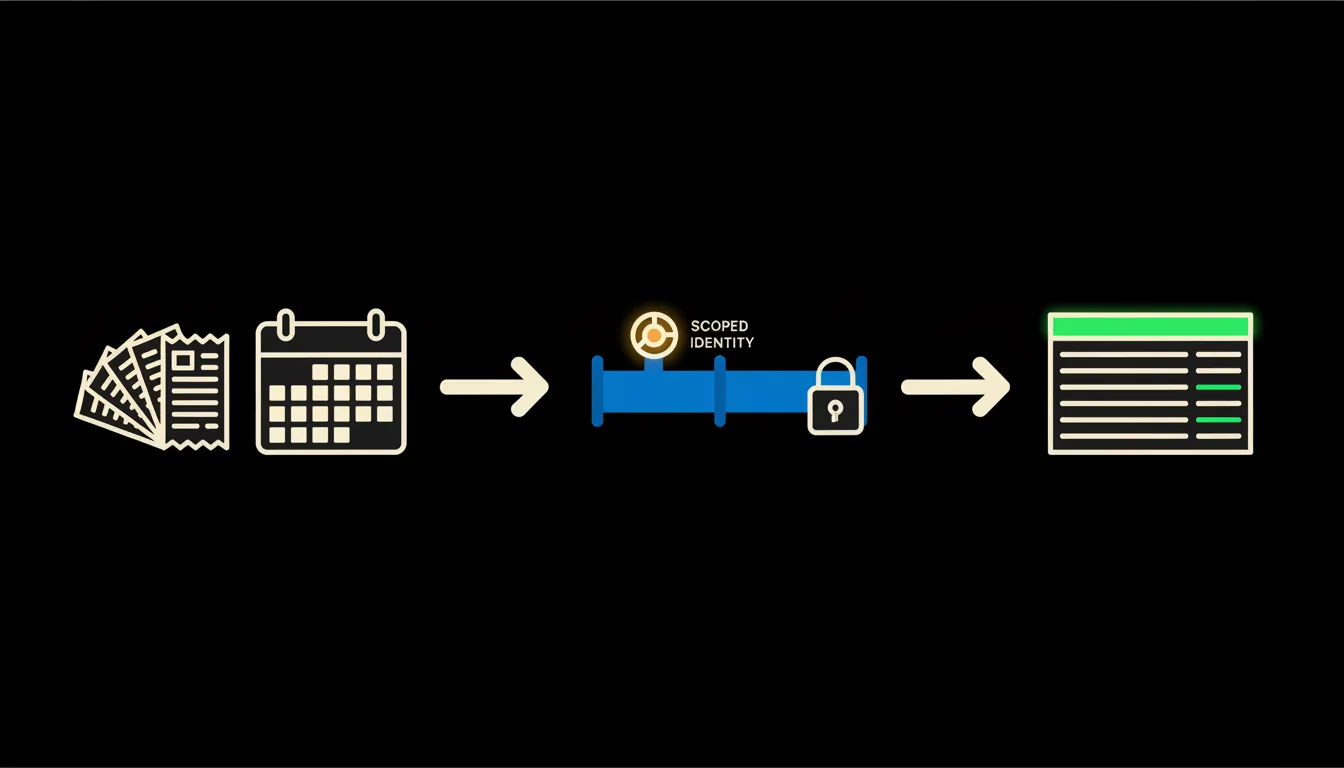
Travel expense reports that assemble themselves from receipts and a calendar
Chasing receipts and recalculating per diems eats hours every month that nobody bills. Claude, connected to mail, calendar and accounting, prepares the draft and a person approves it.
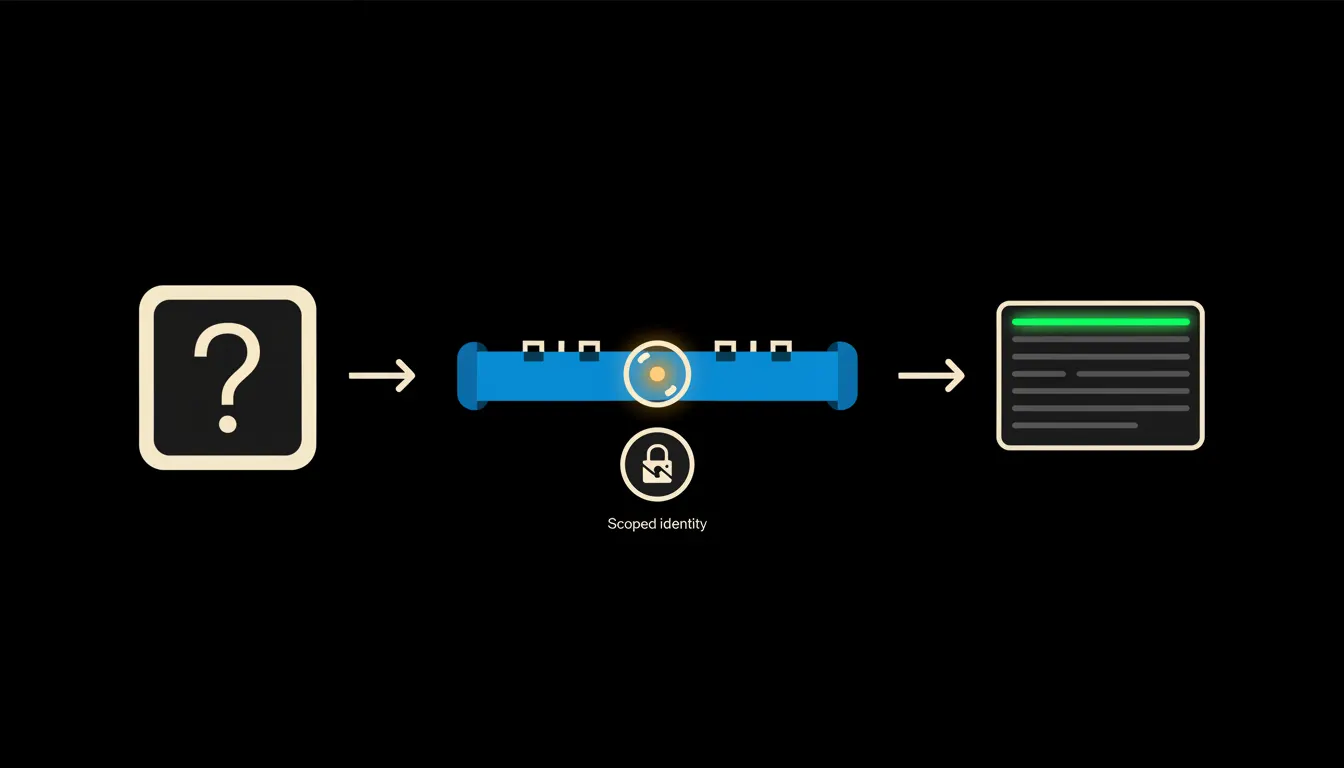
MCP server example: one question from prompt to answer
One ordinary finance question, four named tools and one log entry. A plain description of what happens between the question and the answer.
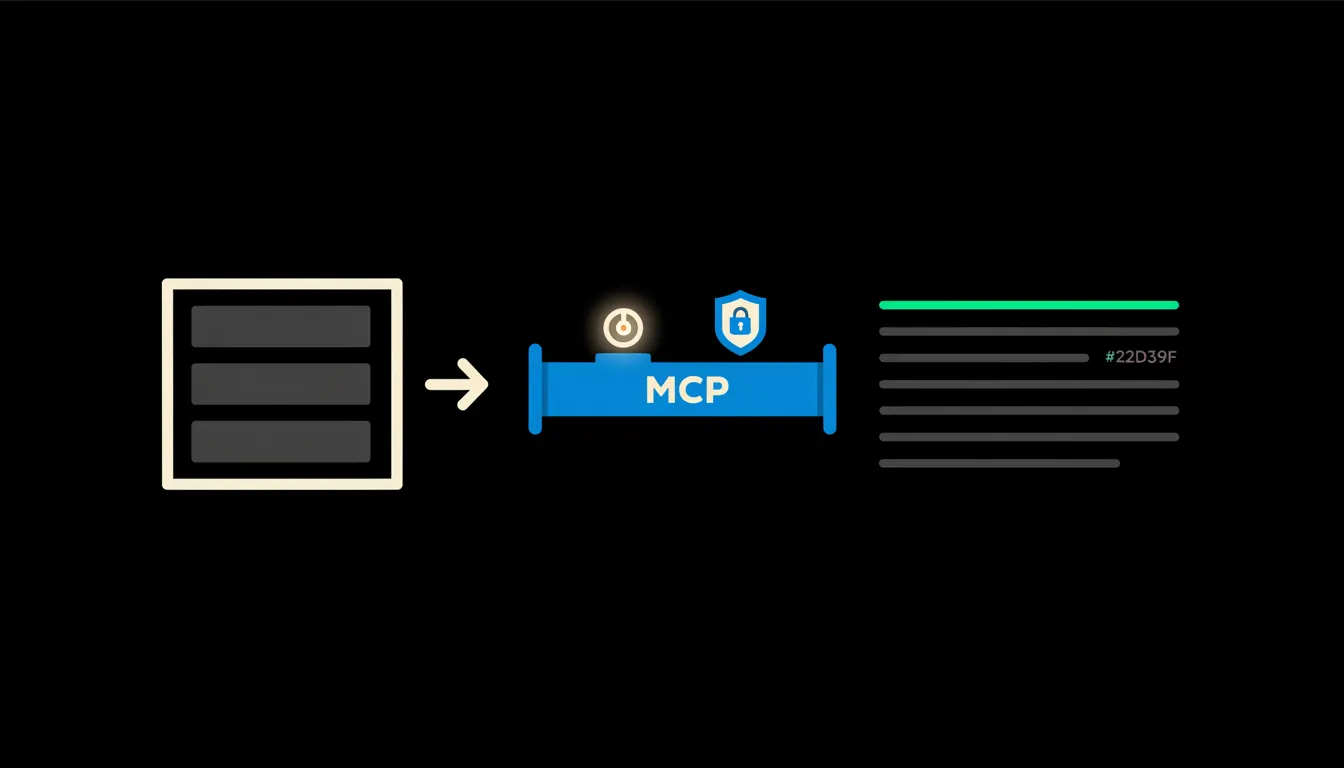
Where your company data sits when AI is working on it
The first question from the boardroom has a concrete answer. The data stays in your cloud, in one tenant, with an audit trail nobody has to write by hand.
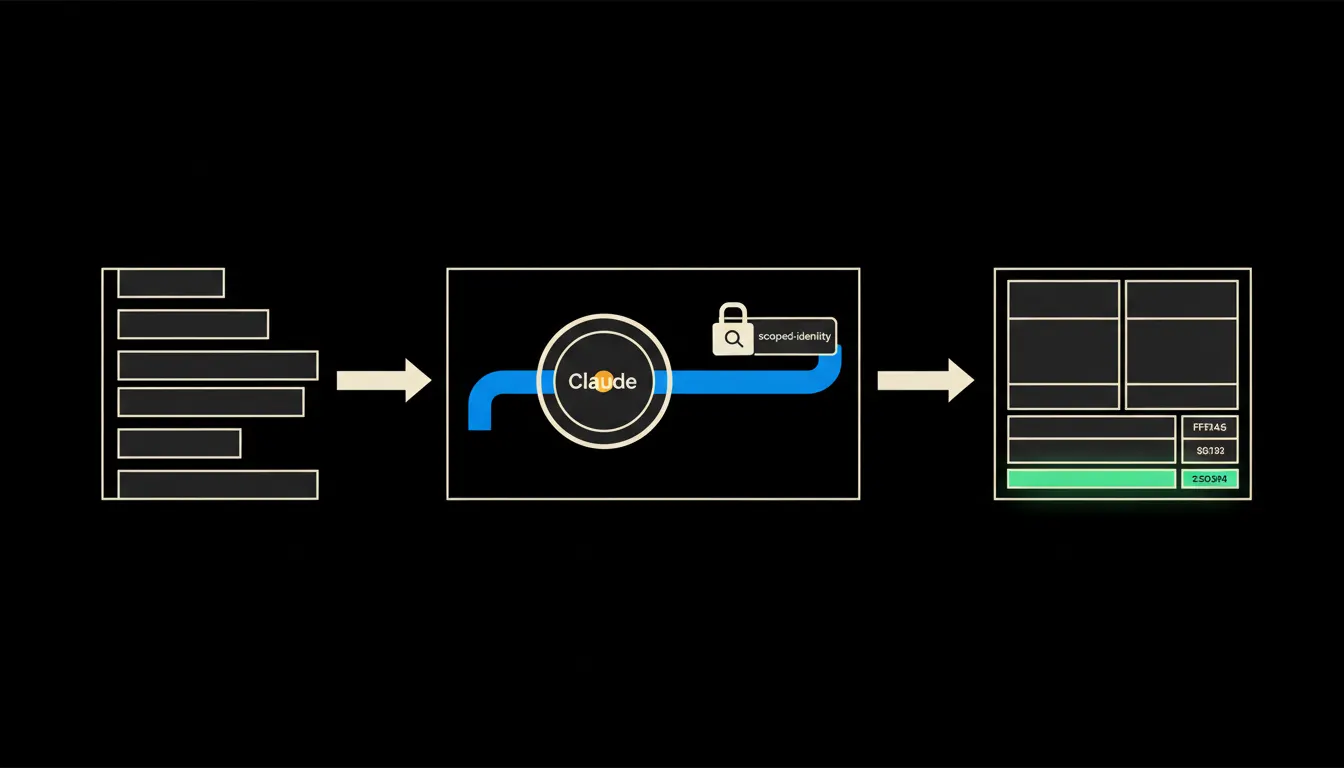
What a company AI assistant costs, and what actually sets the price
The price is not in the model. It is set by the bridges to your systems, by who is allowed to see what, and by how many procedures you have written down.
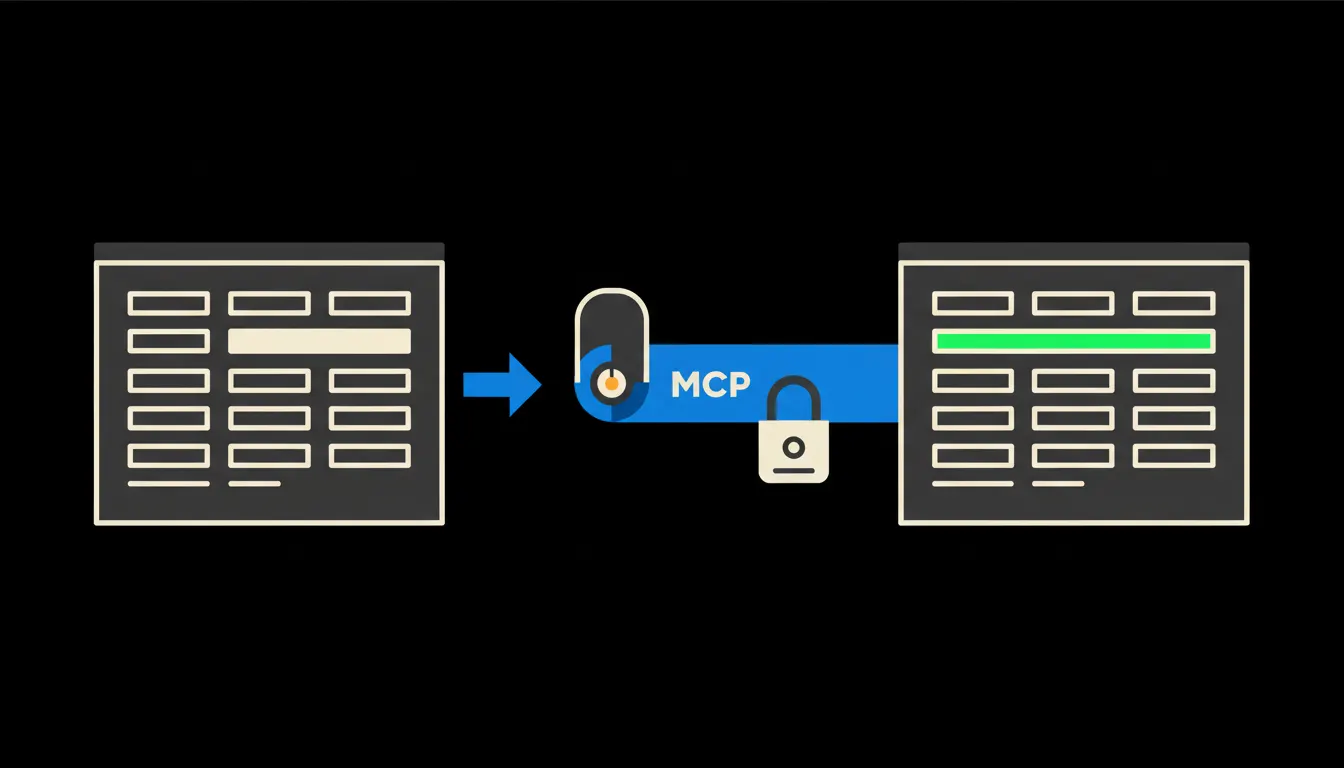
Company data and the bank account: what connecting your account to Claude really means
Your bank statement is the most accurate picture of the company you have, and it ends its life as a spreadsheet export. Here is what changes when you can ask about the movements directly, and who exactly gets to see them.
How many MCP servers does a company actually need
Most companies assume they have to connect everything at once. In practice, two or three well chosen bridges cover most of the daily work, and the rest gets added when people ask for it.
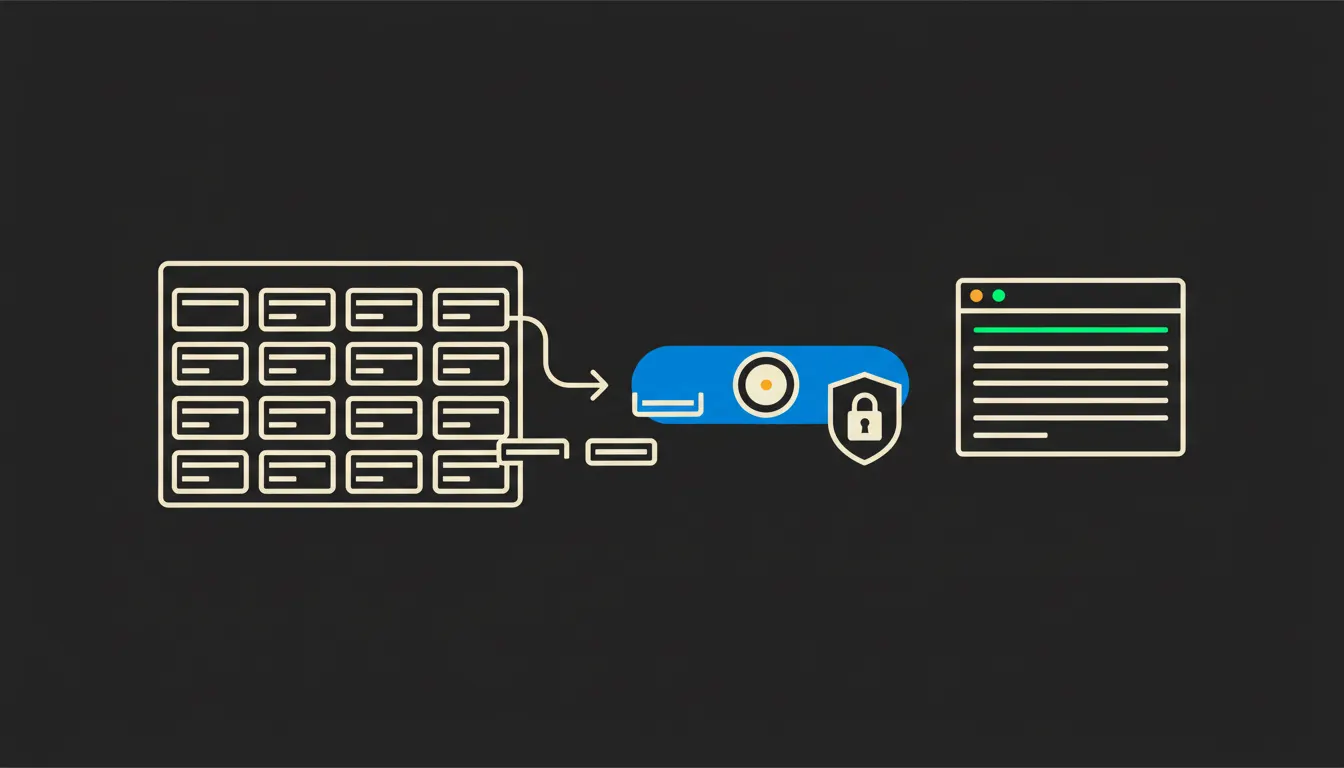
CRM reports on demand: what it takes, and how permissions hold
Standard reports answer a question somebody asked a year ago. Here is what reporting looks like when everyone writes their own question and sees only the rows they are entitled to.
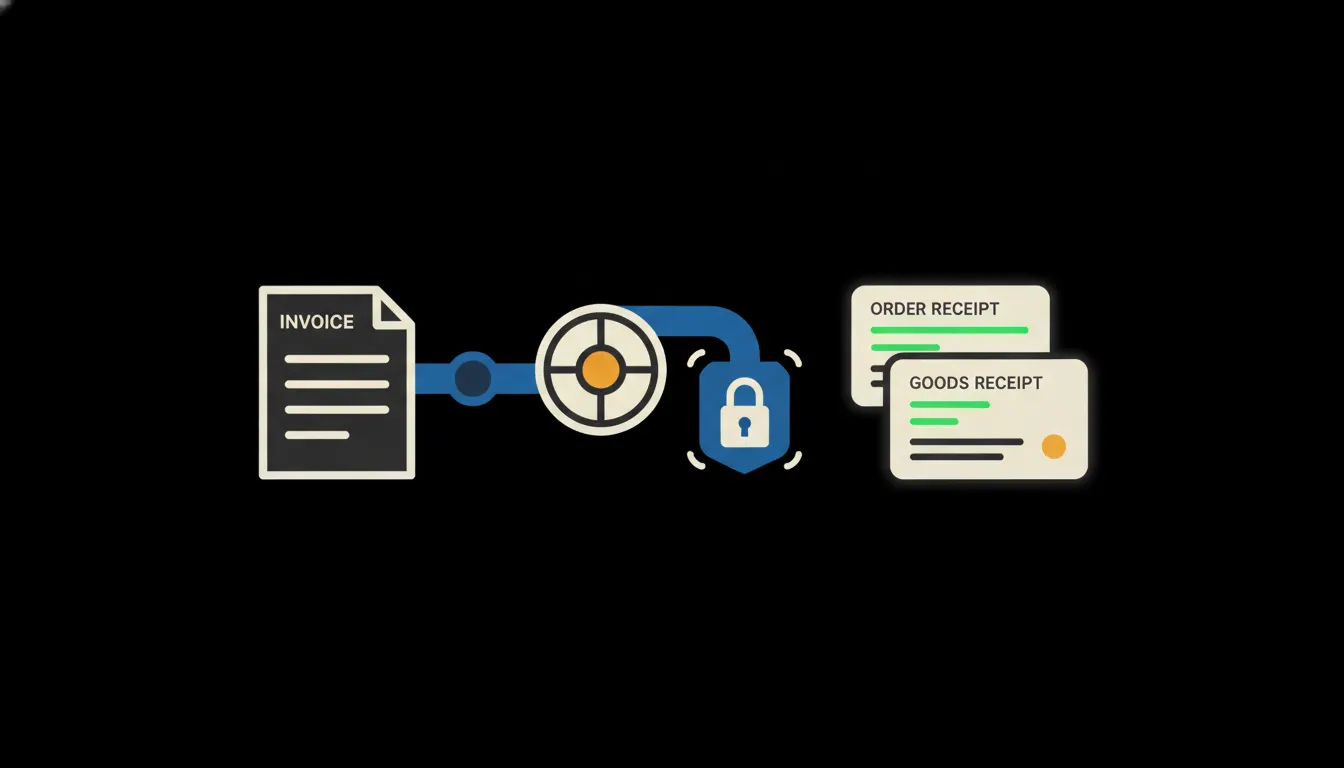
Invoice matching: the check your bookkeeper should not do by hand
Does the supplier invoice agree with what you ordered and with what actually arrived? How Claude runs that check across accounting, stock and approval history, and what it does when the numbers disagree.
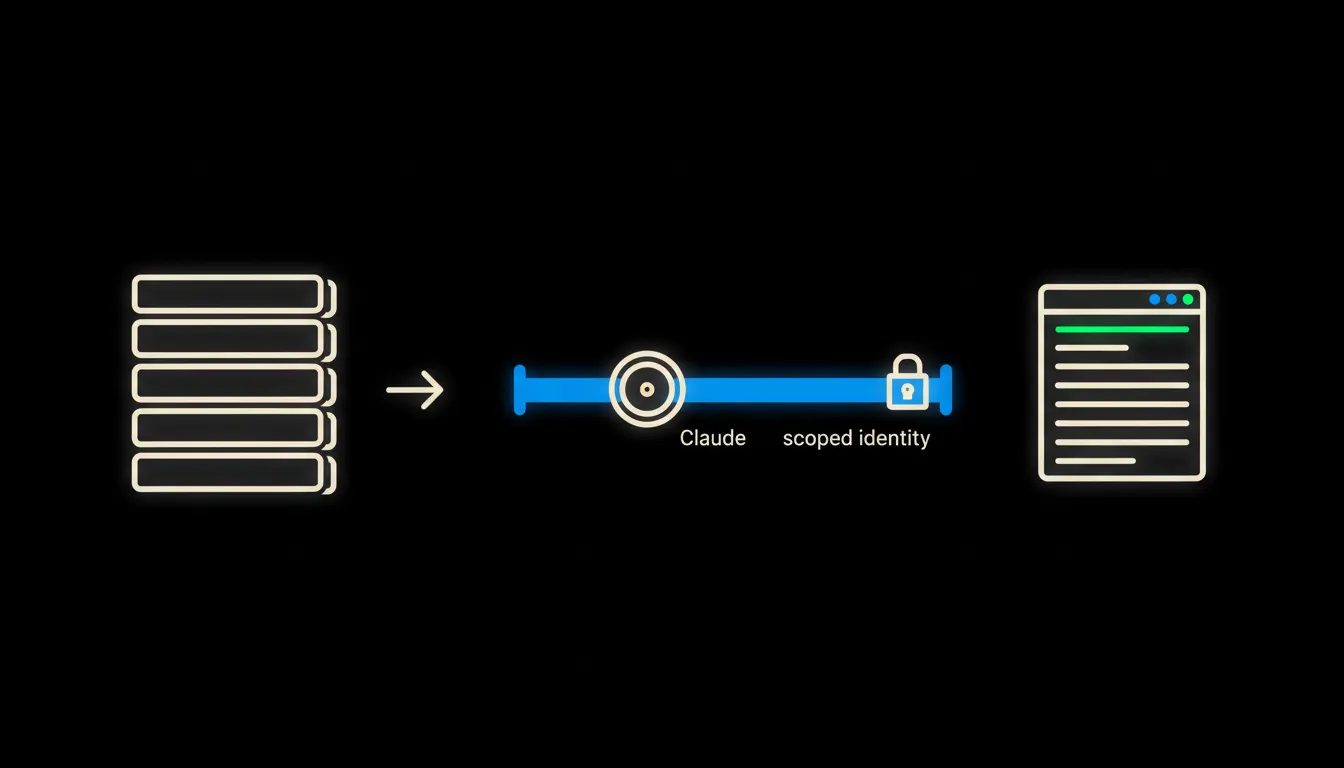
A CRM report in a minute: asking your sales numbers inside the CRM
A manager asks in plain language, Claude reaches into the CRM through a bridge that carries their own permissions, and returns the numbers they are allowed to see. Everyone gets their own view. Nobody downloads a spreadsheet.
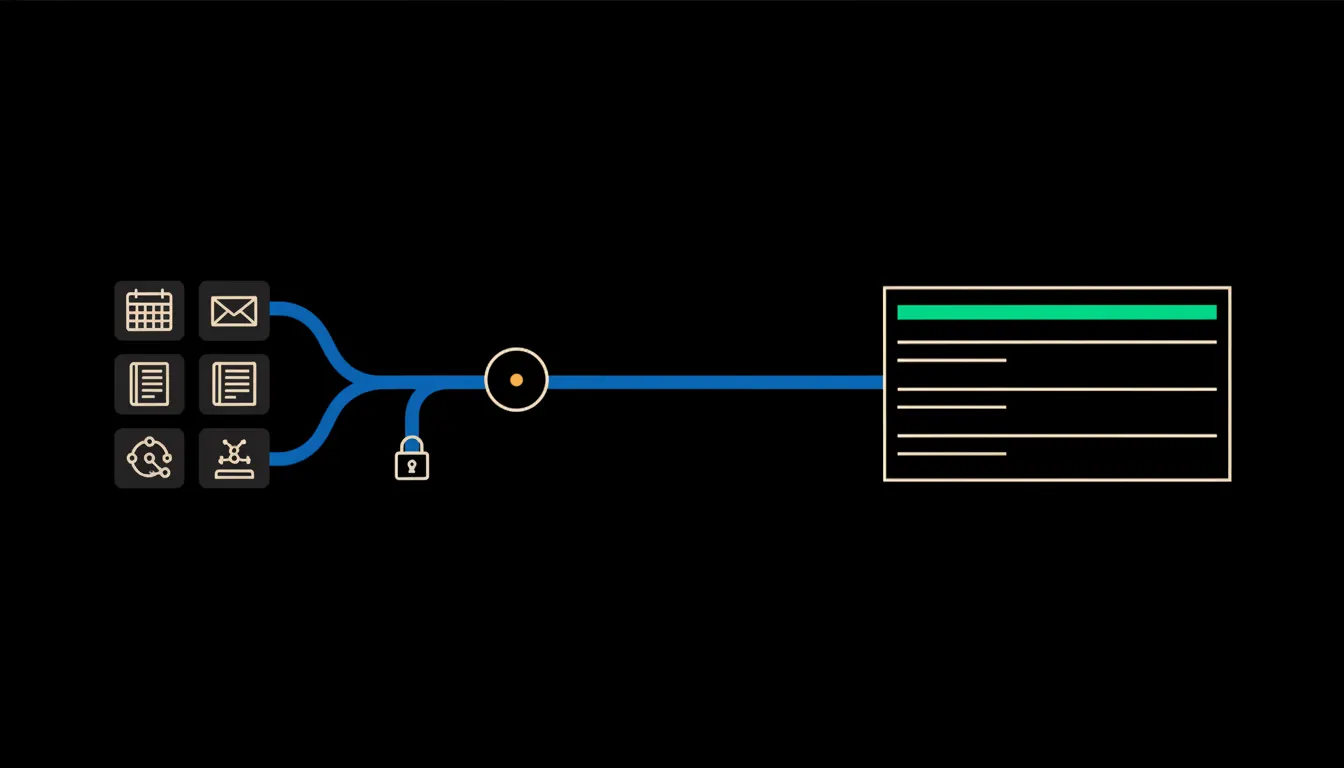
An AI personal assistant: what it needs to know to save a CEO time
A general assistant can write an email, but it does not know your numbers, your deadlines or your people. The difference between a toy and an assistant that saves you an hour a day is what it is connected to.