Notes from the inside of real AI infrastructure.
What we ship for customers, what works, what does not, and the patterns we keep seeing across enterprise teams adopting Claude.
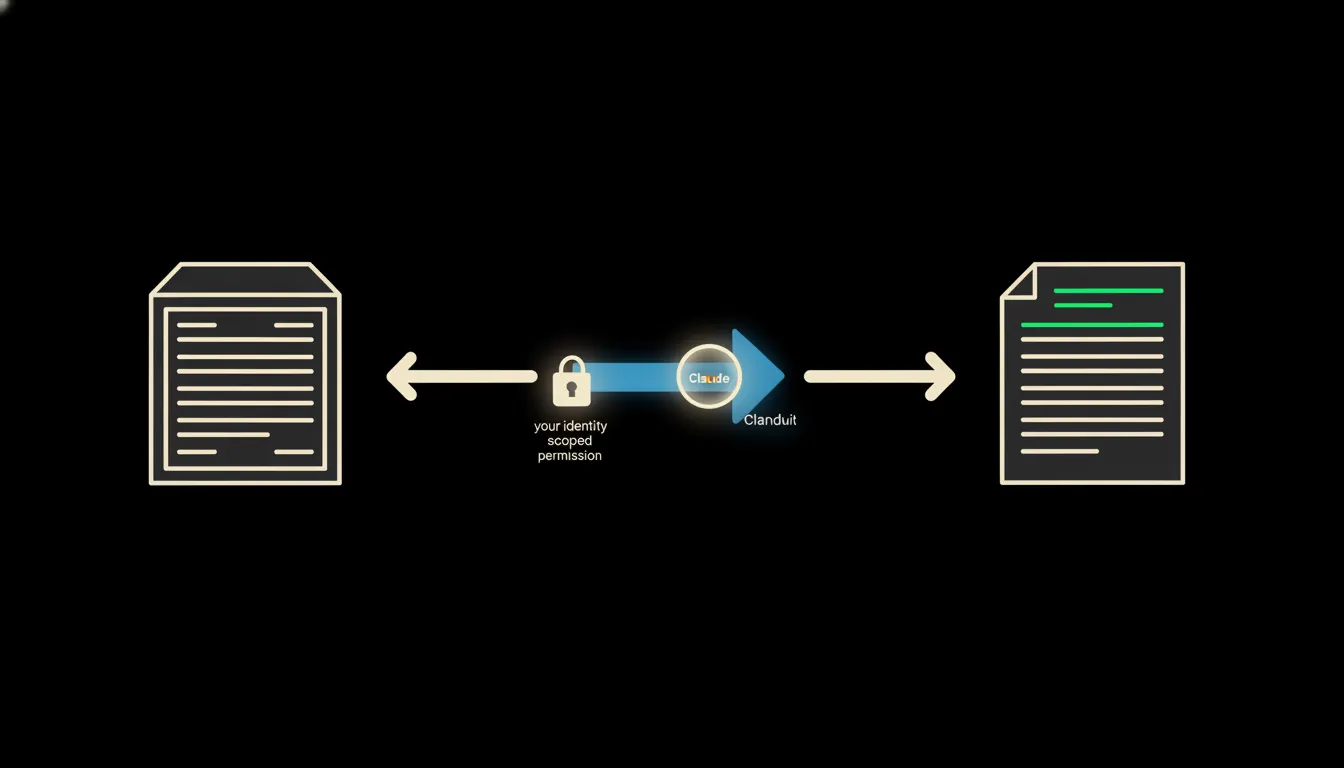
What is an MCP server and why it matters even if you never write code
MCP is not an acronym for engineers. It is how Claude reaches into your company data safely, and nowhere else. An explanation with zero lines of code.
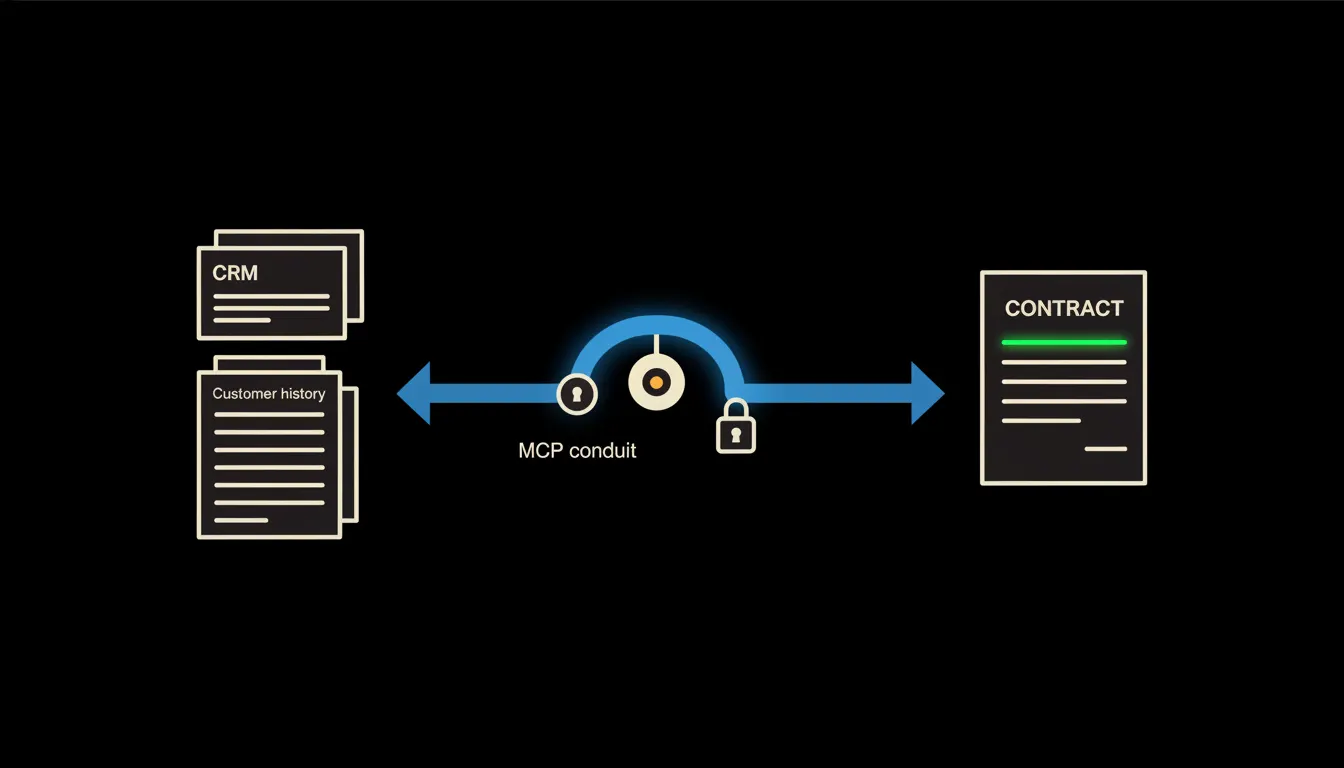
A service contract built from customer history, not an empty template
Before a renewal, a sales rep loses hours digging through what the customer actually bought last year. Claude pulls it from the CRM and Pohoda in a minute, and suggests what to add.
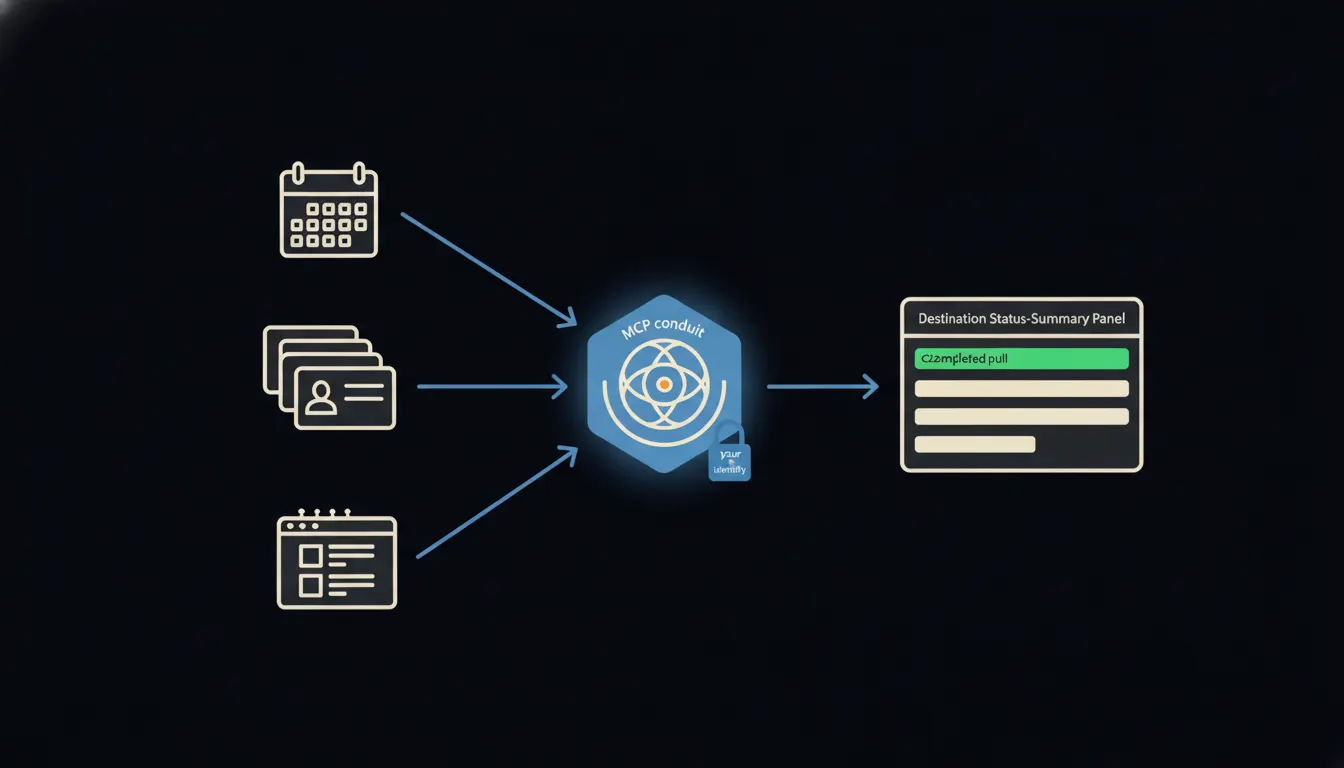
Project status without a status meeting
When Claude knows what's in the calendar, the CRM and the task board, you don't need a thirty-minute call to find out where a project stands. The answer arrives before you've poured your coffee.
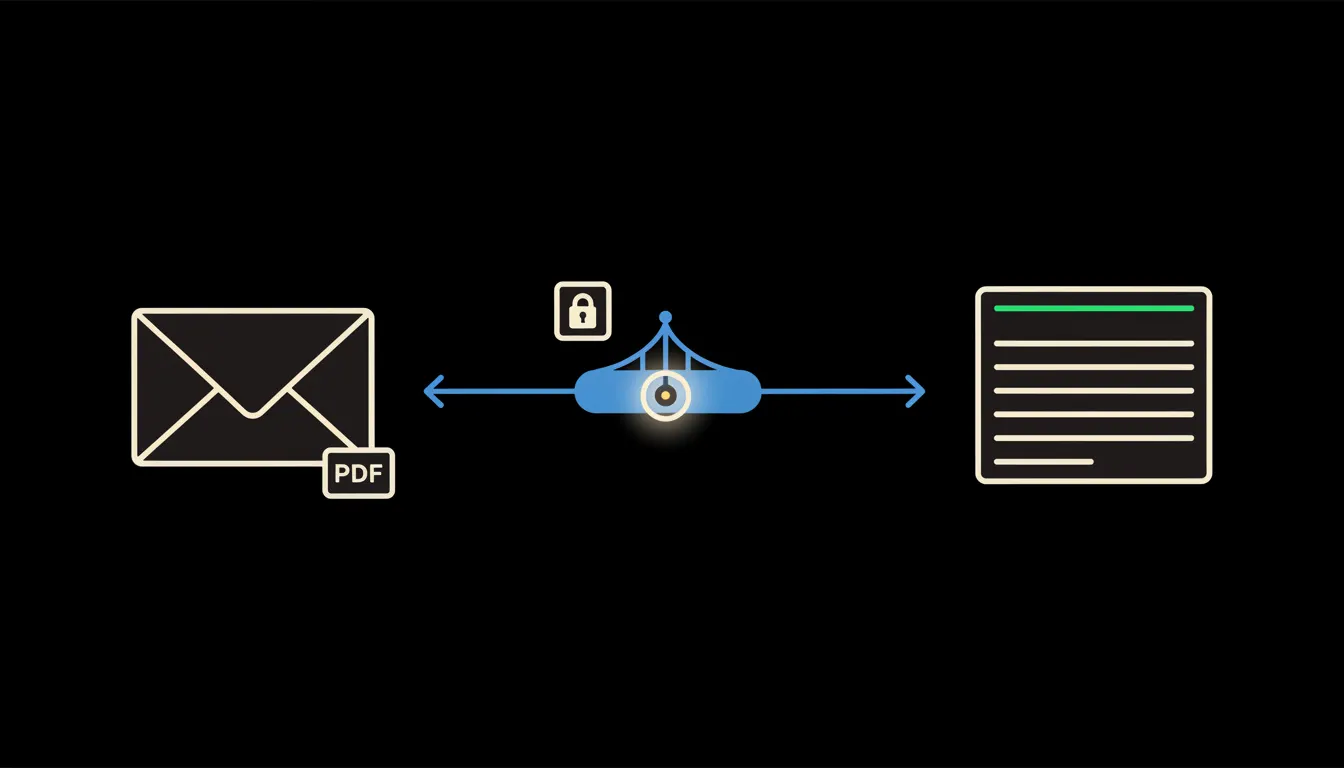
Supplier invoice processed before you get to open it
An incoming PDF lands in your inbox and Claude records it straight into your accounting system, no manual re-entry, no waiting for your bookkeeper. How small firms cut invoice processing from hours to minutes.
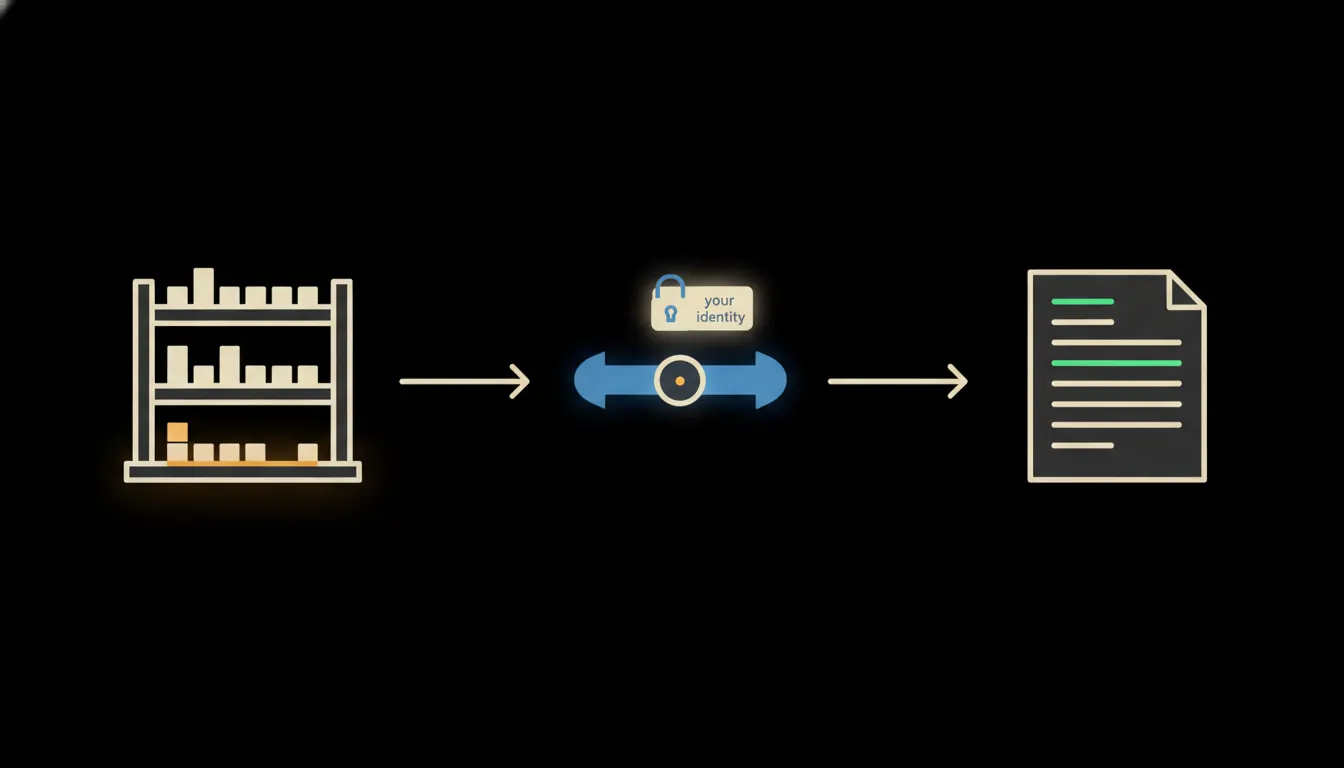
Reorder triggers that run themselves: no spreadsheet, no waiting
When stock drops below the threshold, Claude sees it, drafts the order, and sends it to the supplier. The warehouse manager just confirms.
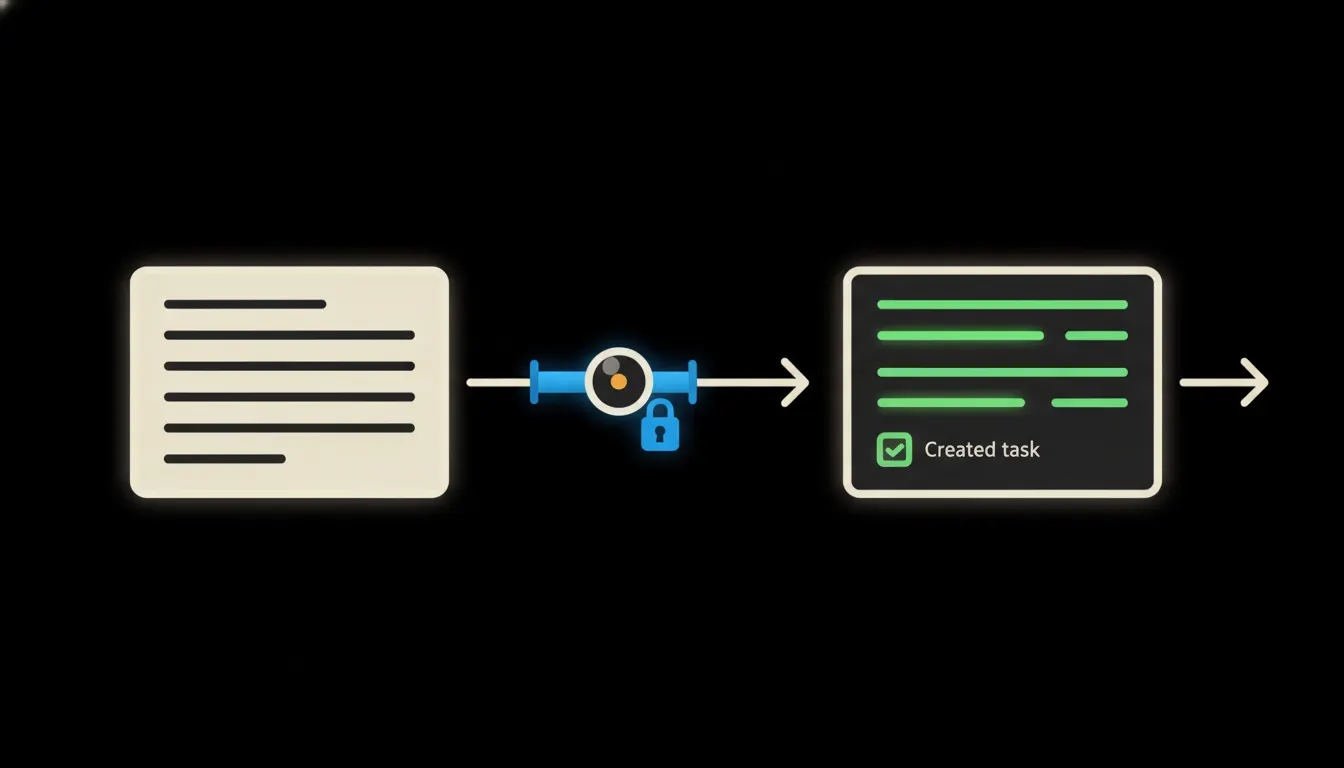
Meeting notes that write themselves into your CRM
After every sales call, someone rewrites notes into the system. Claude does it instead and immediately creates a task, updates the opportunity, and drafts the follow-up.
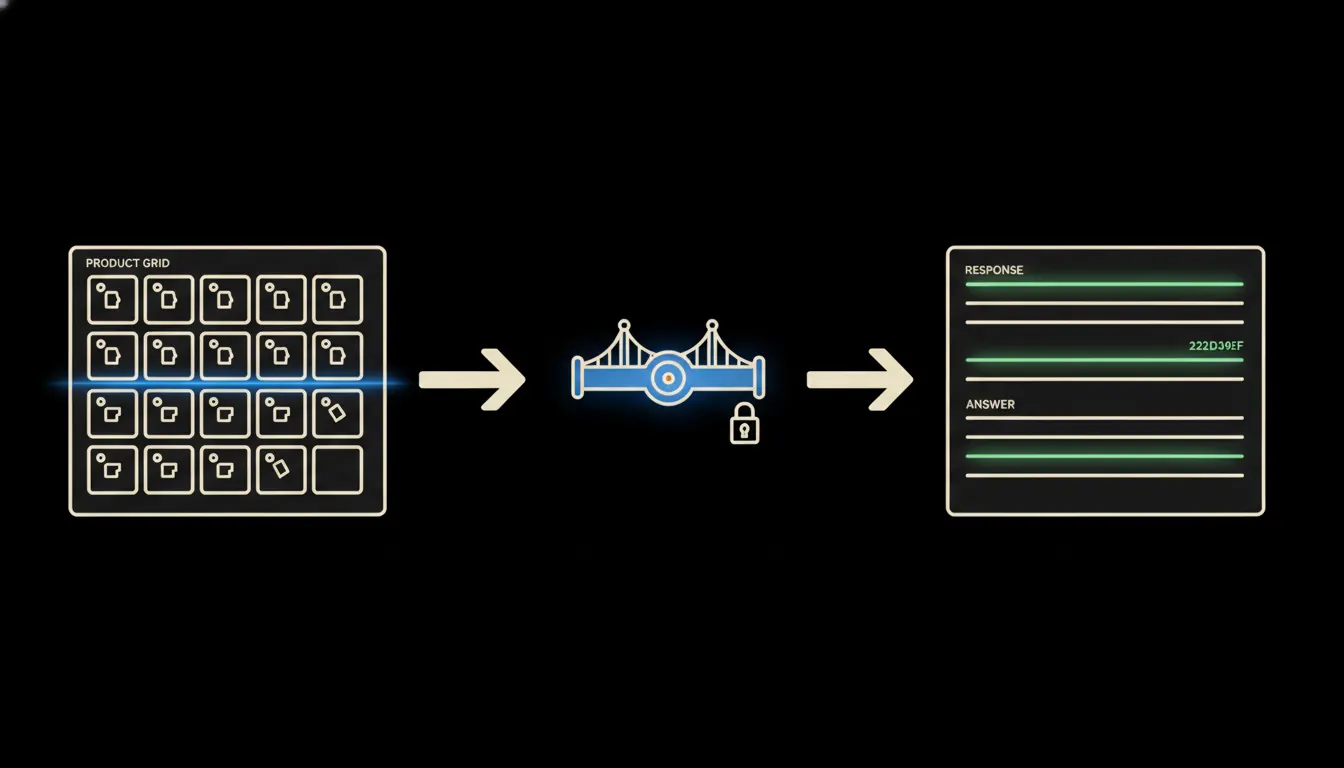
A catalogue that searches itself without logging into the admin
Sales staff and support teams lose minutes every time they look up a product in the e-shop backend. Claude connects directly to the catalogue and answers before you finish opening the second tab.
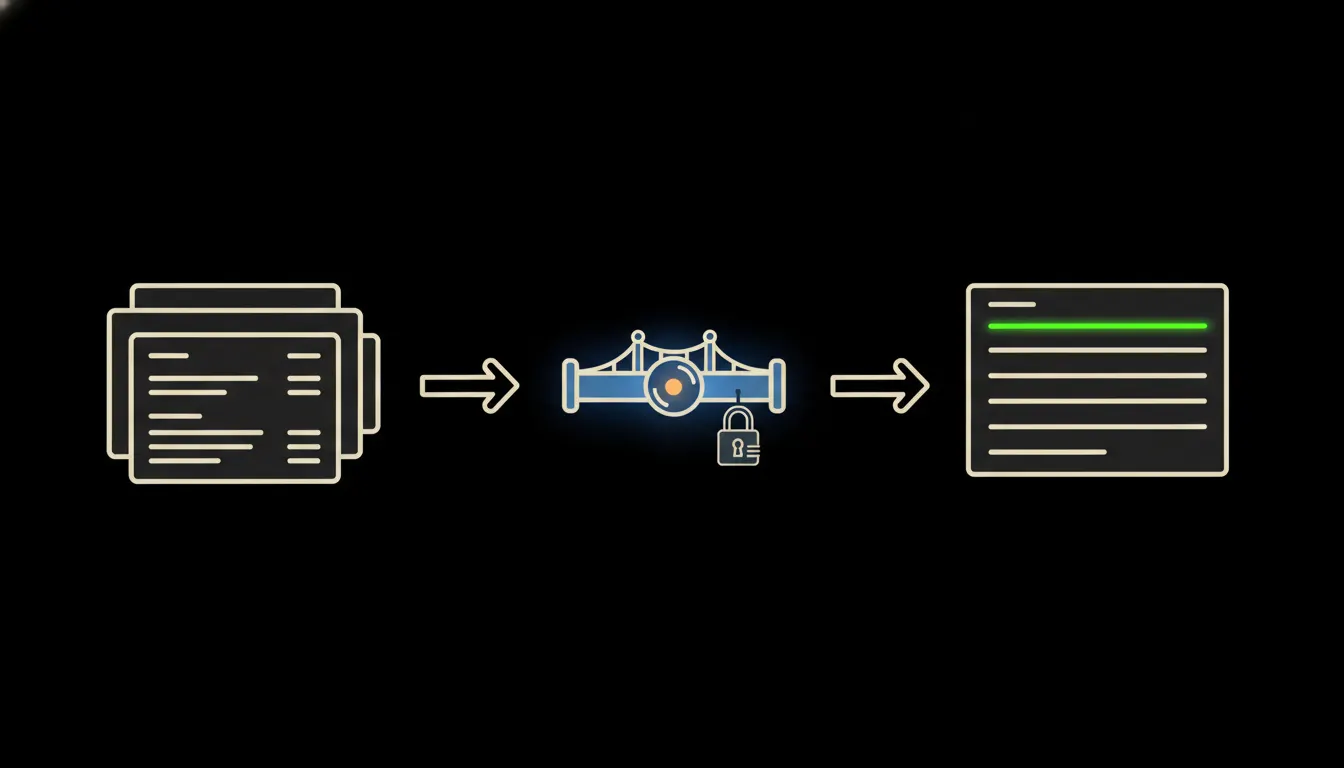
Ask your ERP in plain language. No IT helpdesk, no waiting.
Most company data sits in systems that first require a person with the right access. An MCP server removes that dependency: you ask, the answer arrives in seconds.
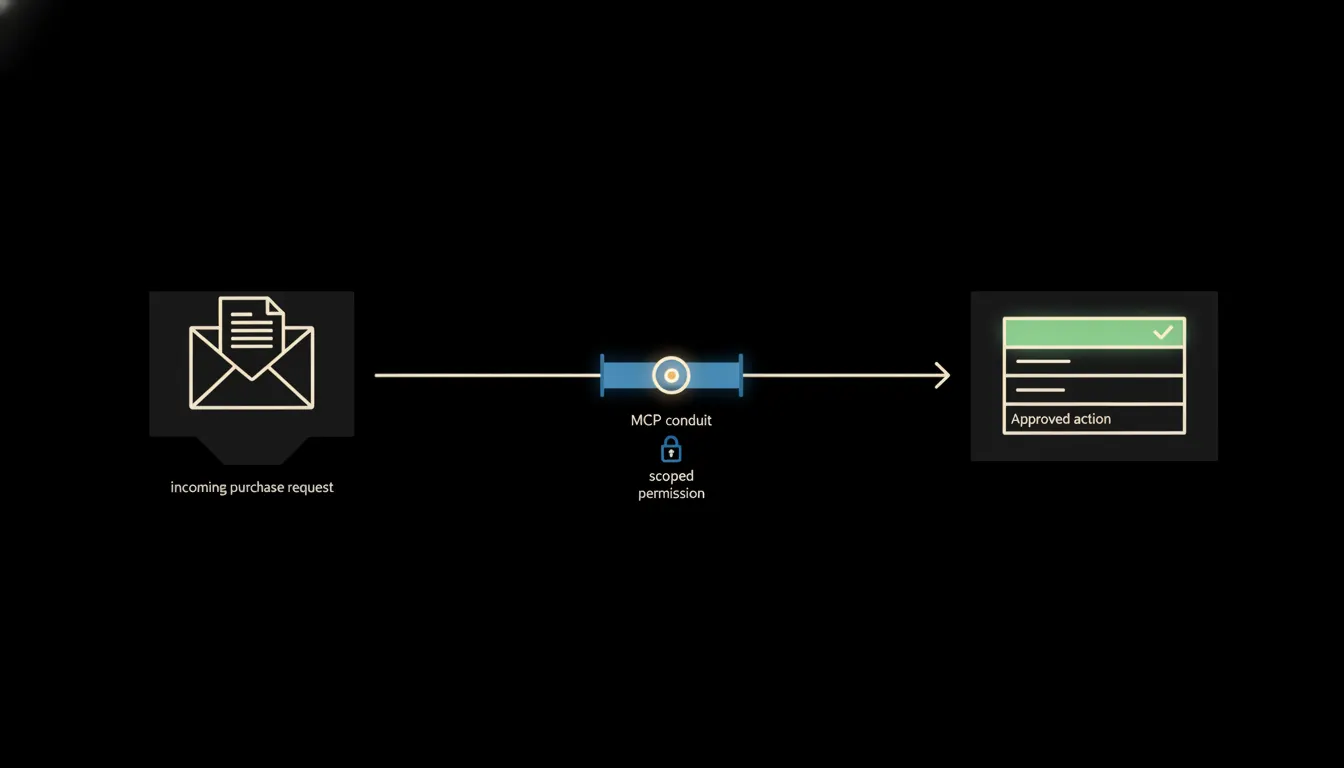
The purchase order approved before your coffee is ready
Purchase requests pile up in email queues and slow the whole company down. Claude connected to your existing systems reads the context, checks the limit, and routes the approval to the right person, without the wait.
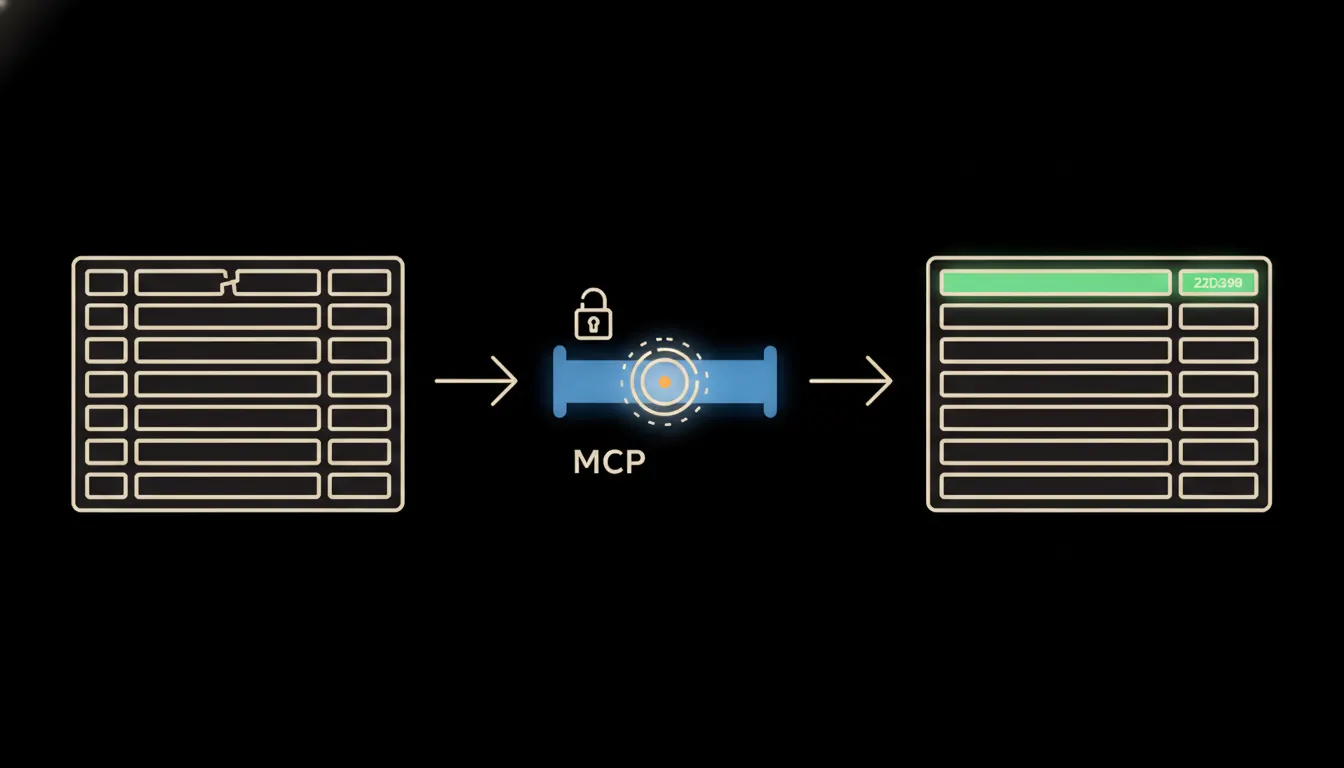
GDPR records without the spreadsheet nobody updates
Companies keep their records of processing activities in Excel, and that file is always out of date. Claude connected to your company systems replaces it with a living record that keeps itself current.